All Categories
Featured
Table of Contents
A shop near a college school might have very various demand patterns (a regular run on bagels and lox at 1 a.m.) than one in a city's monetary district (where traders may turn up for air at 11:30 a.m. for egg salad sandwiches). Other inventory management aspects that grocers must think about include ideal shipment times, packaging requirements, and safety stock levels.
Foreseeable events, such as greater need for salads and drinks throughout summertime and more need for soups and hot foods in the winter, are simpler to plan for.
Stock is one of the most important properties for any service, and reliable stock management is specifically important in the busy world of e-commerce. You need to meet the demand for quick shipment by making sure there's constantly adequate stock to fulfill client orders, however without binding cash in excess stock.
Inventory can include basic materials, elements, and finished goods prepared for sale. Stock management is the procedure of handling and monitoring this stock in the most efficient way possible so that you always have the ideal quantity in the right place at the best time. It has to do with knowing how much is required and when to order it, and monitoring everything throughout multiple areas and sales channels.
Streamlining Modern Store Inventory Systems
When ordering new stock for your warehouse, you should intend to purchase the financial order amount (EOQ). Technically, the meaning of stock management covers the duration in between stock getting here from a provider and being delivered to a customerthat is, the time when it's in your storage facility or shop.
Let's clear up the meaning of inventory management and stock control. Inventory control, order management, supply chain management, and warehouse management can all be covered by stock management.
Larger centers will have a particular getting location where inventory items are examined and sorted before being put away. (stock-keeping unit) code, which is entered into your stock management system.
Whether you're selling online or through a physical shop, your system should immediately update inventory levels whenever an item is purchased (and if it's returned). All of these phases can be performed more effectively with an effectively handled procedure circulation so that everyone knows what's expected to take place and when.
Lowering Store Overhead via Smart Team Scheduling
The techniques you utilize will vary according to different types of stock, with some being more matched to certain businesses than others. Let's have a look at a few of the main techniques of inventory management: ABC analysis works by dividing stock into three classifications based upon their worth and quantity. The idea is to determine the items that matter most to your company.
Otherwise, it'll be time-consuming.) Source: Product in classification A are high in worth however low in quantity, while category C items are low in worth however high in quantity. Classification B products remain in between the 2. Classification A goods are more costly but offer slowly, so you do not need a lot of on hand.
This approach sees you strike a balance in between maintaining the most affordable possible stock levels and still having enough to fulfill demand. Goods are arranged to get here from suppliers just when they're needed; "simply in time" to fill customer orders. You do not keep any security stock on hand. JIT can be ideal for smaller sized businesses that wish to invest as low as possible in stock and lower overhead costs.
The dropshipping method indicates that items are shipped straight from provider to client instead of being kept at your location in between. You don't require to handle your inventory at allyou simply sell the items through your site and pass customer orders straight to the dropshipper. Smaller sized business typically prefer this technique due to the fact that it eliminates the expense of warehousing.
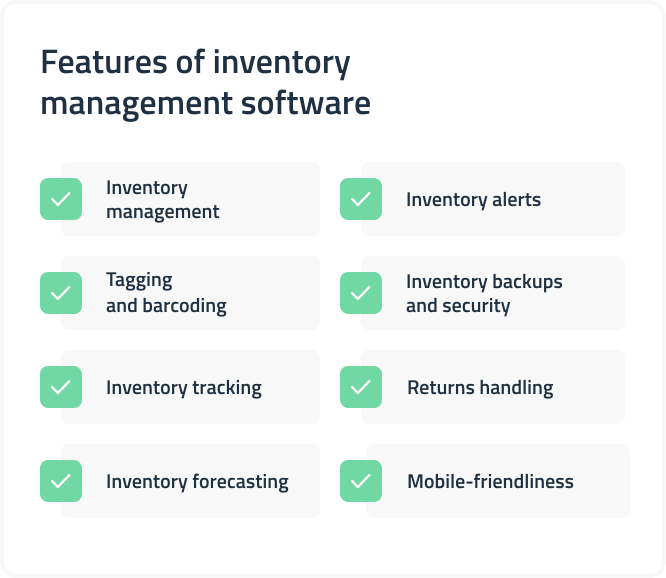
If there's an issue, clients will still grumble to you! Consignment inventory is when a consignor (normally a wholesaler) supplies goods to a consignee (normally a retailer) without the consignee spending for the items upfront. The consignor maintains ownership of the stock till it's soldat which point, the consignee pays.

Latest Posts
The Detailed Manual for 2026 Business Funding Eligibility
Is Operational Automation the Key to Lower Costs?
Maintaining Financial Health for Modern Storefronts