All Categories
Featured
Firms can bring about cost decrease in myriad ways. A few of the popular expense reduction strategies includeBudgetary control: Business can compare their actual expenses sustained versus the budgeted numbers and take remedial actions in case of inconsistencies and unnecessary expenses, accomplishing much better cost efficiency. Simplification: The role of efficiency and cost reduction enters into play when firms decrease the diversity of their item offerings and scale the staying items.

Requirement costing: In this cost reduction strategy, business perform a difference analysis to draw out the differences between basic estimated costs and actual expenses. Subsequently, they can track the areas showing high-cost variations and the possible reasons for them. Worth analysis: Likewise called value engineering, a value analysis involves a systematic evaluation of item design and production procedures with an emphasis on minimizing overall production expenses without jeopardizing item quality or performance.
Streamlining Team Scheduling for ProductivityThis list is by no methods extensive. Techniques like contribution analysis, job assessment, material control, marketing research, financing control, cost-benefit analysis, and labour and overhead control can likewise be made use of for cost reduction. Cost reduction is the process of recognizing and eliminating excessive expenditures that lower a business's production effectiveness and success.
Streamlining Team Scheduling for Productivity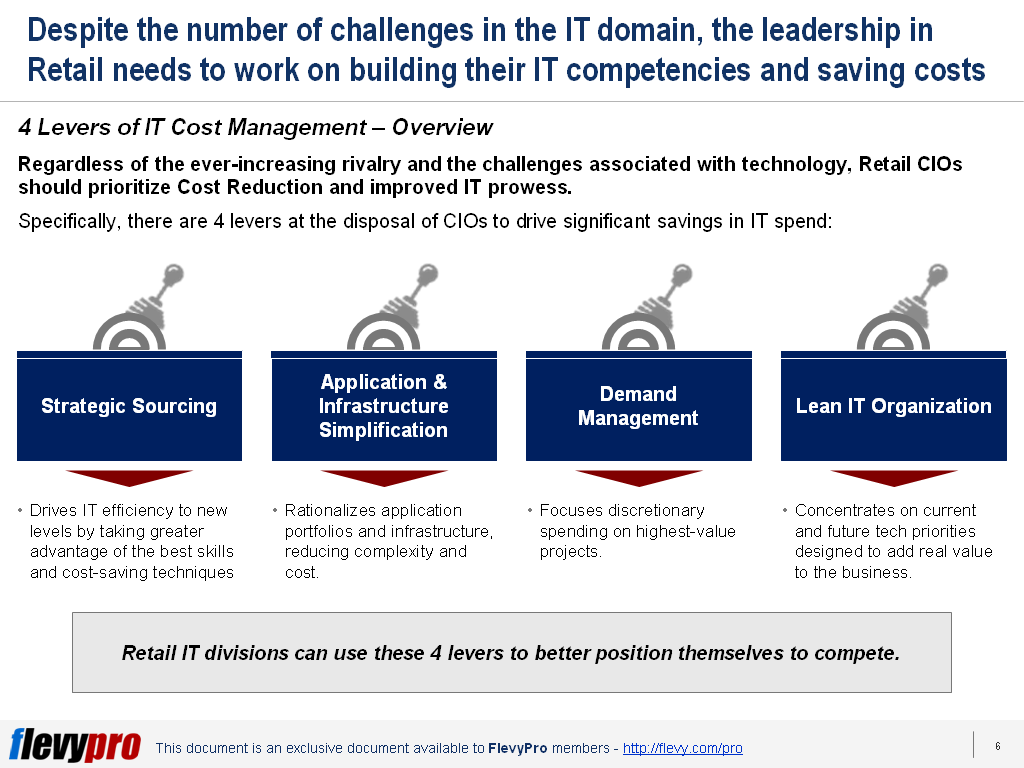
Reducing Costs Through Automation in Modern Storefronts
In times of economic unpredictability, lots of leaders turn to an old standby: expense cutting. When so much worldwide feels beyond our control, costs are, to a big level, manageable. But cutting expenses with the singular objective of realizing short-term savings is myopic. Whether they're faced with an immediate requirement or not, leaders need to see each cost line as a precious financial investment in the businessand acknowledge how the decision to increase, decrease, or preserve it will shape the business's future.

Latest Posts
The Detailed Manual for 2026 Business Funding Eligibility
Is Operational Automation the Key to Lower Costs?
Maintaining Financial Health for Modern Storefronts